

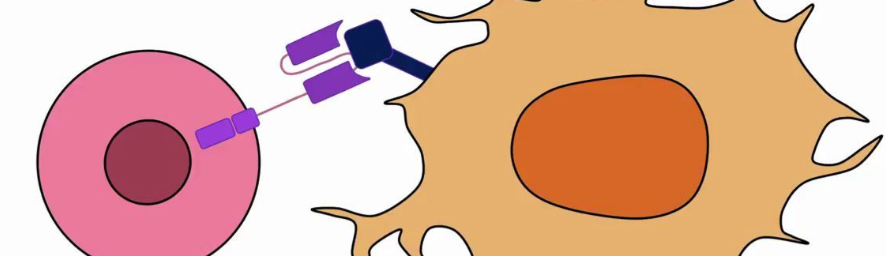

CAR-T cell therapy is one of the most powerful cancer treatments of the past decade. It is also one of the most expensive. In the United States, a single CAR-T treatment course — including cell manufacturing, lymphodepletion chemotherapy, infusion, and 30-day monitoring — typically costs $375,000 to $525,000. Out-of-pocket, even with insurance, American patients can face six-figure bills.
China has built the world's largest CAR-T ecosystem, with 5 NMPA-approved products, 100+ active clinical trials, and pricing that is 60-90% below US levels. For some American cancer patients, this is the most important medical tourism opportunity of the next decade.
What CAR-T is, briefly
CAR-T (chimeric antigen receptor T-cell therapy) is a personalised cellular immunotherapy. The patient's own T-cells are collected, genetically modified in a lab to recognize a specific cancer cell marker, expanded, and reinfused into the patient. For certain blood cancers — especially B-cell lymphomas, acute lymphoblastic leukemia, and multiple myeloma — CAR-T has produced durable remissions in patients who had exhausted other options.
The complexity is enormous: a single course takes 3-6 weeks of cell manufacturing, requires specialised hospital infrastructure, and carries serious risks (cytokine release syndrome, neurotoxicity) that demand experienced management.
The 2026 China landscape
Approved products (commercial)
As of 2026, China has 5 NMPA-approved CAR-T products:
Clinical trials (often free or heavily subsidised)
China runs hundreds of active CAR-T clinical trials, many open to international patients. Trials typically cover the full cost of the cell product and often the hospital stay. Trade-offs: stricter eligibility, longer screening, and uncertainty about long-term outcomes.
This is the most under-discussed pathway for American patients. If your cancer type and prior treatment history fit an active trial, you may be able to access cutting-edge CAR-T at minimal cost.
The 2026 cost comparison
Which US patients are a fit
CAR-T in China makes sense for:
B-cell lymphoma patients (DLBCL, follicular, mantle cell) who have failed 2+ lines of therapy
Multiple myeloma patients who have failed standard regimens including bispecifics
ALL patients with relapsed/refractory disease
Patients with commercial insurance that excludes CAR-T (still rare, but growing)
Patients with high copays/deductibles that make US CAR-T financially impossible
Patients seeking next-generation CAR-T (dual-target, allogeneic, CAR-NK) that is more available in China
It is less appropriate for:
Newly diagnosed patients who have not yet had standard first-line therapy
Patients with severe comorbidities that make any CAR-T unsafe
Patients who cannot be away from home for 6-8 weeks
Patients whose cancer is rapidly progressing and cannot wait for screening
The practical timeline
For a US patient accessing commercial CAR-T in China:
Pre-trip (2-4 weeks): Records review, eligibility confirmation, leukapheresis (T-cell collection) planning, financial clearance
Trip 1 (5-7 days): In-person evaluation, leukapheresis, baseline imaging, financial deposit
Return home (3-5 weeks): Cells manufactured in Chinese GMP facility
Trip 2 (4-6 weeks): Lymphodepletion chemo, CAR-T infusion, monitoring for CRS/ICANS, recovery
Return home: Continue monitoring locally with US oncologist; secure video follow-up with Chinese team
For clinical trial patients, the timeline is similar but with more pre-screening and protocol-specific requirements.
The risk discussion
CAR-T is high-stakes medicine. The risks are real:
Cytokine release syndrome (CRS): 50-90% of patients, usually manageable but occasionally severe
Immune effector cell-associated neurotoxicity syndrome (ICANS): 20-60% of patients, usually temporary
B-cell aplasia and hypogammaglobulinemia: Long-term immunoglobulin support often needed
Rare but serious: Hemophagocytic lymphohistiocytosis, prolonged cytopenias, secondary malignancies
The experience of the treating team matters more than almost any other factor in CAR-T outcomes. Chinese top cancer centers have done thousands of CAR-T cases; you want a center with active CAR-T programs, dedicated ICU support, and documented low CRS/ICANS mortality.
Ask the center directly:
How many CAR-T cases have you done in the past 24 months?
What is your 30-day treatment-related mortality rate?
Do you have a dedicated CAR-T ICU or step-down unit?
What is your protocol for managing severe CRS?
Can you provide English-language outcome data?
How expat.wiki helps
We work with three top cancer centers in Guangzhou and Beijing that have active, high-volume CAR-T programs. We help you:
Get a free case review from a senior Chinese hematologist/oncologist
Compare commercial vs clinical trial options for your specific case
Coordinate leukapheresis logistics (some US patients do apheresis locally and ship cells)
Plan both trips with realistic timeline and budget
Provide bilingual companion during treatment
Coordinate post-treatment follow-up with your US oncologist via secure video
📌TIPS
For medical consultation and paid local escort services in mainland China, please contact us via email: expatcare@qq.com
Important reminder: This guide is for reference only. Please follow your doctor's advice for specific medical treatment.


评论