

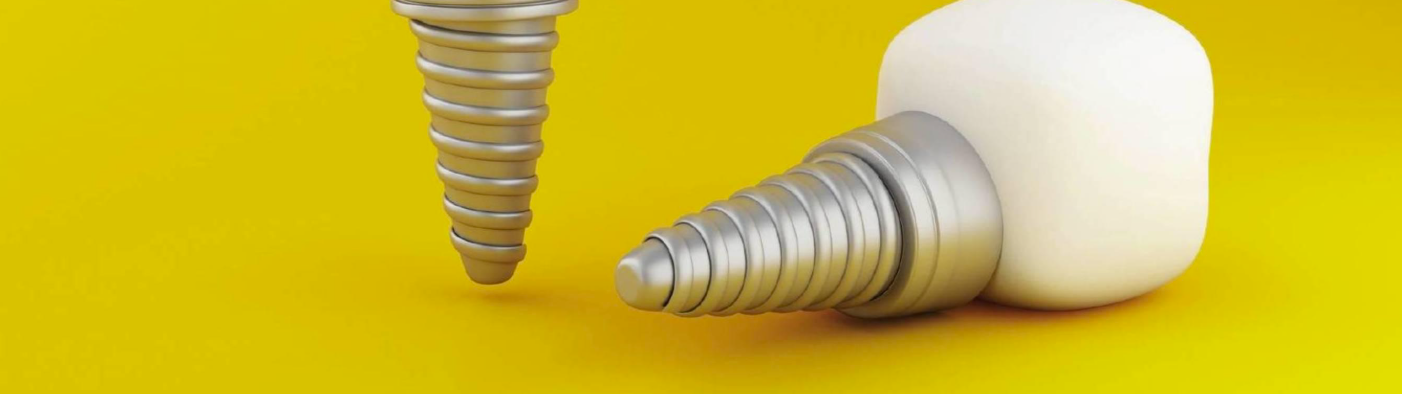

The US is the most expensive place in the world to get a dental implant. With 65+ million American adults missing at least one tooth, and insurance rarely covering implants, hundreds of thousands of Americans are now traveling abroad for treatment every year.
For a growing share of them, the destination is China.
The 2026 price reality
Why the cost gap is so wide
A dental implant in the US has roughly this cost structure:
Implant fixture (the titanium screw): $200 – $500 (manufactured cost)
Abutment: $100 – $300
Crown: $200 – $500
Surgeon + restorative dentist time: $1,000 – $2,500
Imaging (CBCT, X-rays): $200 – $500
Facility fees, supplies, overhead: $1,000 – $2,000
Insurance/admin overhead: $500 – $1,500
In China, the same Straumann or Nobel Biocare implant is sold at the same global manufacturer price. The cost savings come from:
Lower surgeon/dentist labor cost
No insurance middleman
Lower facility overhead
Lower imaging cost
The materials, sterilization, and implant systems are identical.
What to look for in a Chinese dental provider
Cost is not the only variable. Here is the quality checklist we use with our patients:
Hospital vs private clinic
Public hospital Class III Grade A international departments and a small number of licensed private clinics with international accreditation are the safest bets. Avoid discount "implant centers" that advertise suspiciously low prices.
Dentist credentials
DDS or equivalent from a top Chinese dental school
Master's or PhD preferred for complex cases
Overseas training or visiting fellowship is a plus
Specialist in oral surgery, prosthodontics, or periodontics for the relevant phase
Equipment
Cone-beam CT (CBCT) on site
Digital impression system (intraoral scanner preferred over traditional moulds)
Surgical guide printing capability (for complex cases)
In-house dental lab or fast turnaround relationship
Implant system
Stick to globally recognised systems: Straumann, Nobel Biocare, Astra Tech, Dentsply Sirona, Osstem, Anthogyr, Zimmer Biomet. Avoid no-name or "premium domestic" systems at discount clinics — long-term data is limited.
Sterilisation and protocols
Should match JCI standards or local Class III sterilisation requirements. Ask to see the autoclave log.
English-speaking coordinator
Non-negotiable. If the clinic cannot provide an English coordinator, walk away.
The trip timeline for US patients
For a single implant with crown, the realistic timeline is two trips:
Trip 1 (5-7 days): Consultation, CBCT scan, treatment plan, implant placement surgery (60-90 min), temporary crown if same-day protocol, follow-up check
Wait 3-5 months for osseointegration (implant fuses with jawbone)
Trip 2 (4-5 days): Final abutment + permanent crown placement, bite adjustment, final X-ray
Some US patients use a local dentist for the final crown, sending the impression kit home and having it shipped back to China for fabrication. This avoids the second trip but adds risk on fit.
For All-on-4 or full mouth cases, the trip is longer (7-10 days) and usually one trip is sufficient, since the protocol can deliver temporary fixed teeth on day 1-2 of the surgery.
Visa strategy for dental trips
For a single implant, the 240-hour transit visa-free works well if you can structure your trip as US → China → third country. Many patients do: New York → Guangzhou → Hong Kong (then a short flight home from Hong Kong). The 10 days is enough.
For All-on-4 or full mouth cases, get an M visa. The hospital will issue the invitation letter.
Risk management
Communication of expectations: Make sure the dentist understands exactly what you want — shade, shape, bite. Insist on a wax try-in or digital smile preview before final crown fabrication.
No recourse if something goes wrong at home: This is the main risk. A companion service that does in-clinic translation and post-op coordination removes most of this.
Material verification: Ask the dentist to show you the implant packaging (each Straumann/Nobel implant has a unique serial number) and the certificate of authenticity.
Post-op care plan: Get a written English-language aftercare plan before you fly home, including emergency contact at the hospital.
How expat.wiki helps
We work with vetted dental departments across 5 public hospitals and 3 licensed private clinics in Guangzhou. We help you:
Match the right specialist for your case
Pre-book appointments and confirm pricing in writing (USD)
Provide bilingual in-clinic companion on treatment days
Coordinate post-treatment follow-up via secure video
Help with visa invitation letters when needed
📌TIPS
For medical consultation and paid local escort services in mainland China, please contact us via email: expatcare@qq.com
Important reminder: This guide is for reference only. Please follow your doctor's advice for specific medical treatment.
评论