

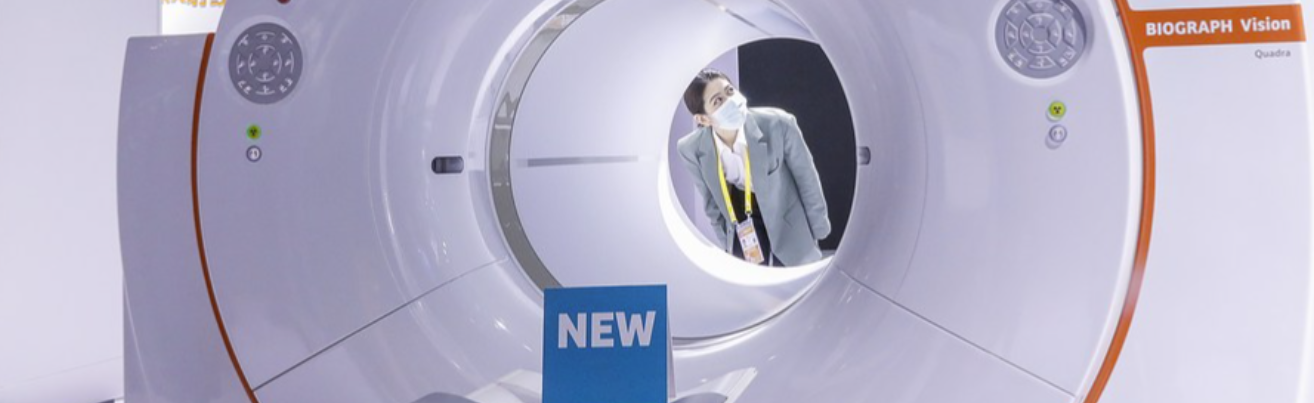

US healthcare costs are the most expensive in the developed world. China has some of the best-equipped tertiary hospitals in Asia, with prices that often look like a typo.
This article is the straight comparison. No fluff. Real numbers. All prices in USD, sourced from 2026 published hospital price lists, with US figures reflecting typical cash/uninsured rates in major metropolitan areas (New York, Los Angeles, San Francisco, Chicago).
The 2026 comparison table
What the table does not show
The headline savings are real, but the out-of-pocket reality includes costs you do not see in the hospital bill:
Flights from the US: $1,200 – $1,800 round-trip from West Coast; $1,500 – $2,200 from East Coast
Hotel: $80 – $200/night depending on city and standard
Meals and local transport: $30 – $60/day
Bilingual companion service: $200 – $400/day
Medical tourism insurance (recommended): $100 – $300
Recovery stay extension (if needed): $80 – $200/night extra
For a 7-10 day trip with one major procedure, total non-medical costs typically run $3,000 – $5,000. Add that to your hospital bill, and you are still usually saving 50-70% on the total.
Why the gap is this large
Three structural reasons:
Clinical labor costs. Senior physicians in China earn 10-20% of US specialist salaries, even at the top hospitals. An attending surgeon at Peking Union Medical College Hospital or Sun Yat-sen University Cancer Center is making a small fraction of what the same surgeon would make at a US academic medical center.
No insurance middleman. US hospital bills reflect negotiated rates with multiple insurers, each with their own administrative overhead. Chinese public hospitals publish cash prices directly. There is no "allowed amount" vs "negotiated rate" — the listed price is the price.
Government-subsidised infrastructure. Top Chinese hospitals are public, not-for-profit, with infrastructure funded in part by provincial and national government. The cost of MRI machines, surgical robots, and PET-CT scanners is partially socialised.
What the US still does better
This article is not propaganda. There are real things the US does better:
Subspecialty expertise. For highly niche procedures (pediatric cardiac surgery for rare congenital defects, certain neurosurgical interventions), the very best US centers still have an edge in case volume.
Patient experience. US hospitals often have better amenities, more attentive nursing ratios, and smoother billing.
Communication. If you are an English speaker with no Chinese, navigating a Chinese hospital can be challenging. The best international departments handle this; the rest do not.
Follow-up continuity. If you have a long-term relationship with a US physician, switching to a Chinese hospital creates coordination work.
Who should and should not consider China
You should consider China if:
You need a procedure not covered by US insurance (most dental, cosmetic, fertility)
Your out-of-pocket US cost would be $15,000+
You can take 1-2 weeks off
You want access to advanced treatments not yet FDA-approved
You are comfortable using a bilingual companion service
You should not consider China if:
Your US insurance covers the procedure at an in-network facility
You need emergency care
You need 4+ weeks of inpatient or rehabilitation
You have complex comorbidities requiring your full US care team
How expat.wiki helps
We help you make the right call for your case. For every inquiry, we:
Provide a free line-itemised cost estimate (in USD) with realistic all-in totals
Match you with the right hospital and doctor
Book appointments in writing
Coordinate visa invitation letters when needed
Provide bilingual companion on treatment days
Arrange post-treatment follow-up via secure video
We will also tell you when not to come. If your case is better served in the US, we say so.
📌TIPS
For medical consultation and paid local escort services in mainland China, please contact us via email: expatcare@qq.com
Important reminder: This guide is for reference only. Please follow your doctor's advice for specific medical treatment.

评论