


There is a quiet revolution happening inside Chinese hospitals, and most international patients have not noticed it yet.
In 2025, China's inbound foreign visits reached 82 million, up 26.4% year-on-year. Among the fastest-growing segments: wellness and medical tourism, with TCM leading the way. International patient visits to top hospital TCM departments jumped over 50% year-on-year. Separately, TCM has now reached 196 countries and regions through education, licensing, and practitioner exchange.
This is not about mysticism. It is about access to a healthcare system that is older than modern medicine, regulated like modern medicine, and significantly cheaper.
What TCM in China actually includes
Most international patients are surprised at the breadth of TCM services in major Chinese hospitals:
Acupuncture — fine-needle therapy for chronic pain, migraines, post-stroke rehab, insomnia, fertility support
Herbal medicine — customised herbal prescriptions, dispensed in-hospital
Tuina / massage — therapeutic bodywork, not spa massage
Cupping and moxibustion — traditional external therapies
TCM internal medicine — chronic disease management, especially gastrointestinal, dermatological, and gynaecological
Bone-setting (正骨) — non-surgical orthopaedic manipulation
Qigong and dietary therapy — lifestyle prescriptions
In a top-tier Chinese hospital's TCM department, you will typically see both a Western medicine-trained doctor and a senior TCM practitioner, sometimes the same person. The best TCM departments run integrated clinics where Western diagnostics inform TCM treatment planning.
The 2026 cost picture
TCM costs in China are a fraction of equivalent services in the West:
Most top TCM hospitals also offer structured wellness retreats — typically 3-7 days — combining daily acupuncture, herbal prescriptions, dietary therapy, qigong, and tuina, often with English translation support.
Where to go
Three Chinese cities anchor the international TCM experience:
Beijing — home to the China Academy of Chinese Medical Sciences and Beijing University of Chinese Medicine. Best for serious chronic disease and complex cases.
Shanghai — strong integration with Western medicine; good for fertility, dermatology, oncology-supportive care.
Guangzhou — the Guangzhou University of Chinese Medicine network, including its flagship First Affiliated Hospital, is one of the strongest TCM institutions in southern China. Lingnan (岭南) TCM is a distinctive regional school with its own specialisations in dermatology, orthopaedics, and gynaecology.
Who TCM is right for (and not)
TCM works well for:
Chronic pain (back, neck, joints)
Insomnia and stress-related disorders
Digestive disorders (IBS, functional dyspepsia)
Fertility support (especially alongside IVF)
Post-stroke rehabilitation
Skin conditions (eczema, psoriasis, acne)
Long Covid and post-viral fatigue
Allergy and immunology support
TCM is not a substitute for:
Acute medical emergencies
Active cancer treatment (chemotherapy, radiotherapy, surgery) — though it is excellent as complementary support
Advanced surgical care
Infectious disease treatment
The best international TCM providers are honest about this distinction. If you are seeking TCM for a serious condition, look for a hospital that runs an integrated TCM-Western medicine program with formal case review by both teams.
What to expect at your first TCM visit
International patients are often nervous the first time. Here is what typically happens:
Registration at the international department (English-speaking staff)
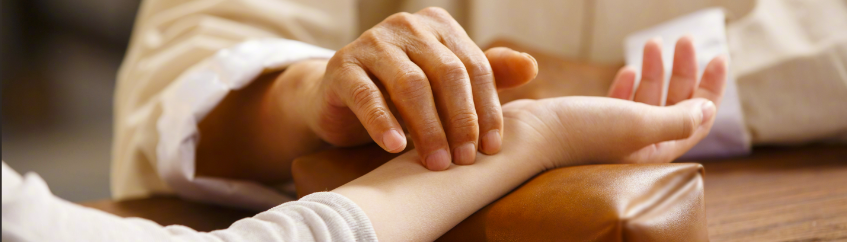
TCM consultation lasting 45-90 minutes — the doctor will ask in detail about sleep, digestion, mood, body temperature, energy, menstrual cycle (if applicable), and tongue/pulse examination
Treatment plan — acupuncture, herbs, or both, with clear explanation in English
In-clinic treatment — acupuncture is done in a shared or private room; you rest 20-30 minutes with needles in place
Herbal prescription — usually 5-7 days of custom herbs, sometimes in granular form for easy brewing
Follow-up — most chronic conditions need 3-6 weekly visits; acute conditions often resolve in 1-3 sessions
The 2026 trend: AI-assisted TCM
This is the most surprising development of the past year. Top TCM institutions in China are now using AI in three ways:
Digital pulse diagnosis — sensors that quantify pulse characteristics, providing objective data the practitioner can review
AI-assisted tongue analysis — image recognition of tongue coating and colour
Herbal prescription support — large language models trained on classical and modern TCM literature, helping junior practitioners build evidence-based prescriptions
The goal is not to replace the human practitioner. It is to standardise diagnosis, accelerate training, and integrate TCM data with Western electronic health records. For international patients, this means more transparent, reproducible, and defensible TCM care.
How expat.wiki helps
We work with three top TCM institutions in Guangzhou and a network of senior practitioners across China. We help you:
Match the right TCM specialist for your condition
Book a 3-day or 7-day integrated wellness program
Provide bilingual companion during your first visit
Translate prescriptions and explain the herbal regimen in English
📌TIPS
For medical consultation and paid local escort services in mainland China, please contact us via email: expatcare@qq.com
Important reminder: This guide is for reference only. Please follow your doctor's advice for specific medical treatment.
评论